Keeping Victoria's Largest Irrigation Modernisation Program Moving Through More Than a Decade of Cultural Heritage Approvals
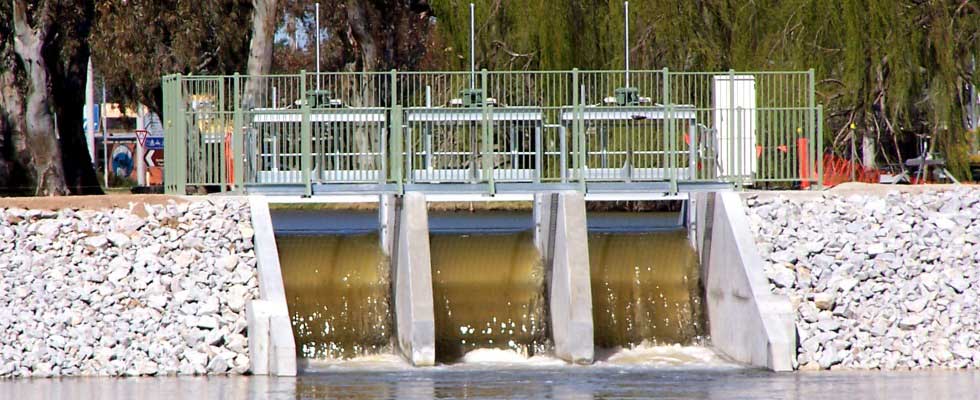
Goulburn-Murray Water is the rural water corporation that stores and delivers water across northern Victoria, supporting irrigation, stock and domestic supply. The GMW Connections Project is Victoria’s largest irrigation modernisation program.
Australian Cultural Heritage Management (ACHM) has been a key heritage partner to Goulburn-Murray Water (GMW) through the long running Connections project. Over more than a decade, ACHM has delivered cultural heritage management services across more than 300 individual infrastructure construction sites, including numerous Approved CHMPs and due diligence assessments.
The work has also included highly specialised archaeological programs, most notably the excavation, dating and careful repatriation of an important Pleistocene burial site at Ghow (Kow) Swamp in northern Victoria.
Beyond the Connections program, ACHM continues to support a wide portfolio of GMW projects, from CHMPs for pipeline upgrades and regulator replacements to early stage design advice, GIS analysis and heritage risk assessments, so that critical water infrastructure modernisation proceeds efficiently, lawfully and with full respect for Traditional Owner values.
Client
Goulburn-Murray Water
Location
North Central Victoria
Sectors
Public Sector
Infrastructure
Services
Results Delivered
Protecting Aboriginal Cultural Heritage While Enabling Essential Infrastructure Delivery
A long running relationship with Australian Cultural Heritage Management gave Goulburn-Murray Water consistent advice and a shared understanding of heritage requirements from early design through to construction. Approved CHMPs and due diligence assessments were delivered in step with the delivery program, while specialist archaeological work was handled with care and cultural integrity. The result is a body of approvals that supports efficient, lawful delivery of vital infrastructure.
Frequently Asked Questions
How many cultural heritage approvals can a large irrigation modernisation program require?
A program that spans hundreds of construction sites can need a mix of Cultural Heritage Management Plans and due diligence assessments, depending on the activity at each site and whether it falls within an area of cultural heritage sensitivity. For the GMW Connections Project, Australian Cultural Heritage Management has delivered cultural heritage management across more than 300 individual infrastructure construction sites over more than a decade, including numerous Approved CHMPs and due diligence assessments.
How does a due diligence assessment help a project with hundreds of sites?
A due diligence assessment reviews sensitivity mapping, registers and site conditions to work out which sites trigger a mandatory CHMP and which do not. On a large program this works as a triage step, so detailed assessment effort is directed where it is needed and low risk sites can proceed with confidence.
Can an Approved CHMP be amended if project design changes?
Yes. The Aboriginal Heritage Act 2006 provides a process for amending an Approved CHMP where the activity or its footprint changes. On long running programs, amendments are common, which is why continuity of heritage advice from design through to construction is so valuable.
What does repatriation of Ancestral remains involve?
Repatriation is the return of Ancestral remains to Country, carried out in the way Traditional Owners decide. It follows careful archaeological recording and, where appropriate, scientific dating, so the significance of the burial is understood before it is returned. As part of the GMW Connections Project, Australian Cultural Heritage Management excavated, dated and repatriated an important Pleistocene burial site at Ghow (Kow) Swamp in northern Victoria.
How do GIS analysis and early design advice reduce heritage risk on water infrastructure?
Overlaying heritage sensitivity mapping and registered places on proposed alignments shows where constraints are likely to occur before design is fixed. That allows routes and structures to be adjusted early, avoiding costly redesign later. Australian Cultural Heritage Management provides this kind of GIS analysis and early stage advice across GMW’s wider portfolio. Learn more about our GIS and mapping services.